
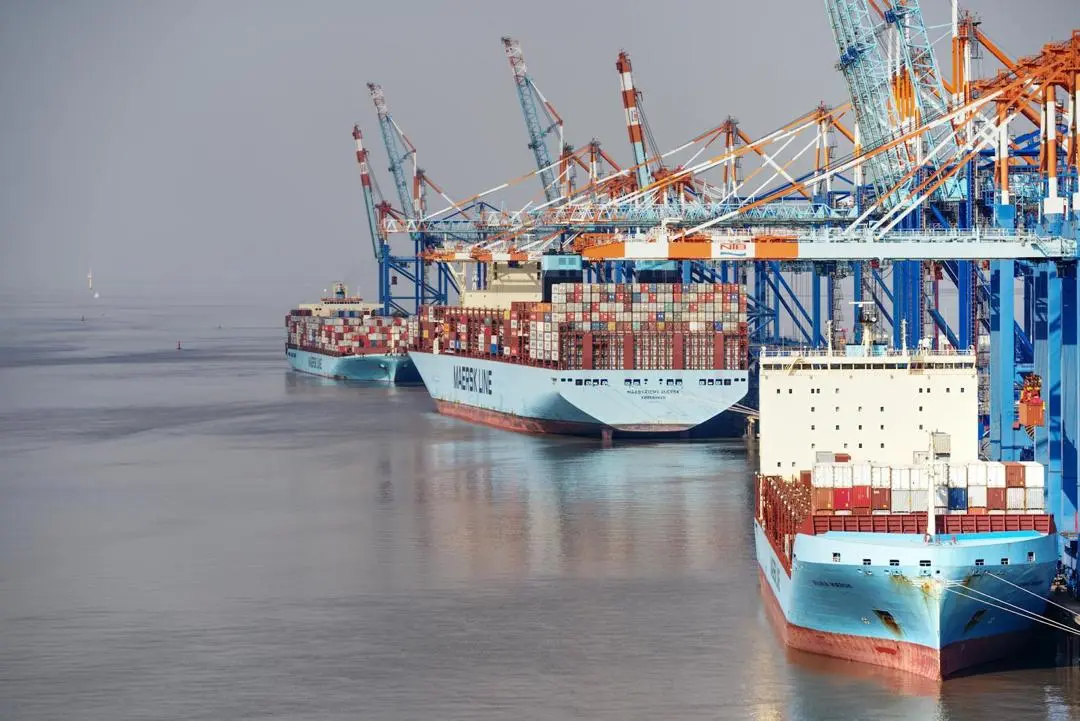
Ocean freight remains the backbone of global trade, accounting for nearly 90% of worldwide cargo movement. For companies involved in international commerce, understanding how ocean freight operates is essential to optimizing supply chains, reducing costs, and maintaining reliable delivery schedules.
One of the key advantages of ocean freight is its cost-efficiency for large and heavy shipments. Compared to air freight, maritime transport offers significantly lower per-unit costs, especially for bulk cargo, machinery, raw materials, and containerized goods. Businesses importing or exporting high volumes benefit from Full Container Load (FCL) solutions, while smaller shipments can leverage Less than Container Load (LCL) services to reduce expenses.
Ocean freight services typically operate through major ports connected to international shipping lanes. Port infrastructure plays a critical role in ensuring smooth cargo handling, customs processing, and onward transportation. Strategic port selection can reduce transit times and port congestion risks. For example, choosing a less congested port with efficient customs procedures can significantly accelerate cargo clearance.
Transit time in ocean freight depends on factors such as route distance, transshipment requirements, weather conditions, and carrier schedules. Businesses must plan lead times carefully and build buffer periods into their supply chain planning. Seasonal demand fluctuations, such as peak shipping seasons, can also impact space availability and freight rates.
Risk management is another crucial consideration. Marine insurance protects cargo against potential losses due to damage, theft, or unforeseen maritime incidents. Companies should ensure comprehensive coverage that aligns with the nature and value of their shipments.
Technology has significantly improved visibility in ocean freight. Modern tracking systems, electronic documentation, and digital freight platforms allow shippers to monitor shipments in real time. This transparency enhances coordination between suppliers, freight forwarders, customs brokers, and final consignees.
Environmental sustainability is also shaping the future of maritime transport. International regulations aim to reduce sulfur emissions and promote cleaner fuels. Companies increasingly evaluate shipping partners based on environmental compliance and carbon footprint reduction initiatives.
Ultimately, ocean freight remains an indispensable mode of transport for global trade. By partnering with experienced freight forwarders and leveraging strategic routing, businesses can achieve reliable, scalable, and cost-effective logistics solutions that support long-term growth.


